1. Sea Surface Temperature Rise:
Elevated sea surface temperatures are a major factor in coral bleaching. Corals have a symbiotic relationship with zooxanthellae, microalgae that live within their tissues and provide them with essential nutrients through photosynthesis. When the water temperature becomes too high, corals expel the zooxanthellae, losing their primary source of food and turning them pale – a process known as coral bleaching.
2. Extended Periods of Warm Water:
The duration of elevated sea surface temperatures is critical in determining the severity of coral bleaching. Prolonged exposure to warm water increases the stress on corals and can lead to widespread bleaching events. In the Great Barrier Reef, marine heatwaves, characterized by abnormally high sea surface temperatures, have caused significant bleaching events, with some areas experiencing back-to-back bleaching events in consecutive years.
3. Seasonal Changes:
Climate patterns also influence seasonal changes in sea surface temperatures. Coral bleaching is more likely during the summer months when water temperatures are naturally warmer. However, climate change exacerbates these natural temperature variations, leading to more intense and frequent bleaching events.
4. Ocean Currents:
Ocean currents play a crucial role in transporting warm water masses and nutrient-rich waters to the Great Barrier Reef. Changes in ocean current patterns, such as shifts in the East Australian Current, can disrupt the delicate balance of the reef's ecosystem, affecting coral health and contributing to bleaching events.
5. Storm Events:
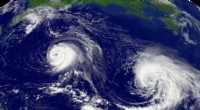
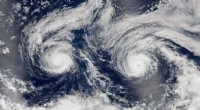
Climate patterns can also influence the frequency and intensity of storms, which can have direct and indirect impacts on coral bleaching. Hurricanes, cyclones, and tropical storms can cause physical damage to coral colonies and alter water quality, further stressing corals and making them more vulnerable to bleaching.
Understanding these climate-related factors is essential for managing and conserving the Great Barrier Reef. Implementing measures to mitigate climate change, reduce local stressors, and enhance reef resilience are critical to protecting this globally significant ecosystem.