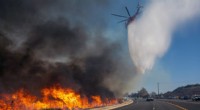
1. Soil pH: Wildfires can increase the pH of the soil, making it more alkaline. This is due to the release of alkaline compounds, such as calcium carbonate and potassium carbonate, from the ash produced by the fire. The increase in pH can affect the availability of nutrients and the activity of soil microorganisms.
2. Nutrient Availability: Wildfires can significantly alter the availability of nutrients in the soil. Nitrogen, a crucial nutrient for plant growth, is often lost during wildfires as it volatizes and escapes into the atmosphere. Other nutrients, such as phosphorus, potassium, and calcium, may be released from the ash but can become less available due to changes in soil chemistry.
3. Organic Matter: Wildfires consume organic matter, including plant litter, roots, and soil organic matter. This loss of organic matter reduces the soil's fertility, water-holding capacity, and cation exchange capacity (CEC), which is the soil's ability to hold positively charged ions.
4. Soil Structure: Wildfires can affect soil structure by altering the physical properties of the soil. The high temperatures during a fire can cause soil aggregates to break down, leading to a decrease in soil porosity and an increase in soil compaction. This can hinder root development, water infiltration, and oxygen penetration.
5. Microbial Activity: Wildfires can have a profound impact on the soil microbial community. The high temperatures can kill or severely reduce the populations of beneficial microorganisms, such as bacteria, fungi, and actinomycetes. This disruption of the soil microbial community can affect nutrient cycling, organic matter decomposition, and the overall health and functioning of the soil ecosystem.
6. Hydrophobic Soils: In some cases, wildfires can create hydrophobic soils, which repel water and reduce infiltration. This is due to the deposition of waxy substances and ash on the soil surface, altering its wettability. Hydrophobic soils can lead to increased runoff and erosion, as well as reduced water availability for plants.
7. Erosion: Wildfires can increase the risk of soil erosion by removing vegetation and exposing the bare soil to the forces of wind and water. The loss of soil structure and organic matter further contributes to erosion, leading to the loss of fertile soil and nutrients.
The changes in soil chemistry caused by wildfires can have long-term effects on soil fertility, plant growth, and ecosystem health. Proper post-fire management practices, such as erosion control measures, reforestation, and nutrient amendments, can help mitigate the negative impacts of wildfires on soil chemistry and restore soil health.