The National Guard has its origins in the colonial militia system, which was established by the British in the 17th century. The militia was a force of part-time soldiers who could be called up to defend the colony in times of war or rebellion. After the American Revolution, the militia system was adopted by the United States government. The first National Guard unit was established in Massachusetts in 1787.
Over the years, the National Guard has been called up to serve in a variety of conflicts, including the Civil War, World War I, World War II, the Korean War, and the Vietnam War. Today, the National Guard is a vital part of the United States military. It is a force of over 450,000 soldiers and airmen who are trained and equipped to fight alongside the active Army and Air Force.
Here are some of the key differences between the National Guard and the Army:
* The National Guard is a reserve component of the United States Armed Forces, while the Army is an active component. This means that the National Guard is not always on active duty, while the Army is.
* The National Guard is organized under the Department of the Army, while the Army is organized under the Department of Defense. This means that the National Guard reports to the Secretary of the Army, while the Army reports to the Secretary of Defense.
* The National Guard is funded by the federal government, but states also provide some funding for their own National Guard units. The Army is funded entirely by the federal government.
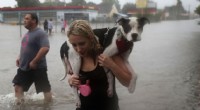
* The National Guard has a dual mission: to provide combat-ready forces to support the active Army in times of war or national emergency, and to provide assistance to state and local governments in times of natural disasters or other emergencies. The Army has a single mission: to fight and win wars.
Overall, the National Guard is a unique component of the United States Armed Forces. It is a force of citizen-soldiers who are trained and equipped to fight alongside the active Army and Air Force. The National Guard also plays a vital role in supporting state and local governments in times of emergencies.