1. Atmosphere: Carbon dioxide (CO2) is the primary greenhouse gas in the Earth's atmosphere. It is released through human activities such as burning fossil fuels and deforestation, contributing to climate change.
2. Oceans: The oceans absorb a significant amount of CO2 from the atmosphere through a process called ocean acidification. Carbon is stored in the dissolved inorganic carbon (DIC) and organic matter in the ocean.
3. Terrestrial Biosphere: Plants and soils store carbon through the process of photosynthesis, converting CO2 and water into organic compounds. Forests, grasslands, and peatlands are major terrestrial carbon sinks.
4. Geological Formations: Carbon is stored in geological formations such as sedimentary rocks, including limestone and coal. Fossil fuels, such as coal, oil, and natural gas, are formed from ancient plant and animal remains and store large amounts of carbon underground.
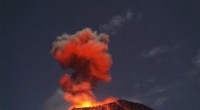
5. Deep Earth: A significant portion of the Earth's carbon is stored in the deep Earth, including the mantle and the Earth's core. Carbon is stored as inorganic carbonates and as carbon-bearing minerals.
These carbon reservoirs are interconnected and exchange carbon through various processes such as the carbon cycle, which involves the exchange of carbon among the atmosphere, oceans, land, and geological systems. Human activities, particularly the burning of fossil fuels and deforestation, have significantly impacted the natural carbon cycle and contributed to the increase of atmospheric CO2 concentrations.