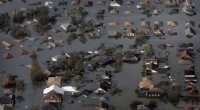
When Hurricane Harvey struck in August 2017, it left a trail of destruction that devastated the lives of millions. The storm’s catastrophic impact, both human and economic, has been felt long after the floodwaters receded. This blog post delves into the formation and impact of the hurricane, its human toll, the economic consequences, meteorological analysis, lessons learned, ongoing challenges, and ways to support those who continue to rebuild their lives.
Hurricane Harvey began as a tropical wave off the west coast of Africa on August 13, 2017. Over the course of two weeks, it developed into a major hurricane that wreaked havoc in Texas and Louisiana, causing catastrophic flooding and widespread destruction.
As we explore the storm’s formation and impact, it’s essential to understand the factors that contributed to its rapid intensification and the devastating effects it had on the affected areas.
The initial condition of the tropical wave that eventually became Tropical Depression Harvey was disorganized, but it soon developed into a tropical depression. As it moved west-northwest, it posed a threat to the Lesser Antilles before consolidating into Tropical Storm Harvey. In a staggering 40 hours, Harvey transformed from a tropical storm into a major hurricane, a testament to the power and unpredictability of these natural phenomena.
The National Hurricane Center confirmed that the storm had been re-categorized to a Category 4 hurricane on August 25th. With sustained winds of up to 130 mph, it was now classified as a major hurricane. As Harvey barreled towards the Gulf Coast, the warm waters of the Gulf of Mexico fueled its rapid intensification. The storm’s increasing strength brought with it the potential for massive storm surges and devastating flooding, which would soon become all too real for the residents of Texas and Louisiana.
Hurricane Harvey made landfall in Texas, causing catastrophic flooding in Southeast Texas, including Harris County and Houston. The storm dumped an unimaginable amount of rain on the region, with some areas experiencing more than 60 inches of precipitation. This historic flooding was partly due to the massive storm surge caused by Hurricane Harvey, which swamped coastal areas and overwhelmed local infrastructure.
The weight of the water, including the storm surge, caused Houston to sink temporarily by two centimeters (almost an inch). In the immediate aftermath of Hurricane Harvey, it was estimated that 8 million cubic yards of garbage were present in Houston after the clean-up effort. The extent of the destruction was staggering, with entire neighborhoods submerged under floodwaters and countless homes and businesses destroyed.
In the wake of Hurricane Harvey, the following actions were taken to address the immediate needs of affected communities:
Texas Governor Greg Abbott acknowledged that the process of recovering from this disaster would be a long-term endeavor for the state of Texas. The challenges faced in the response and recovery phase were immense, as resources were stretched thin and communities struggled to cope with the magnitude of the disaster.
Despite these challenges, significant strides were made in the immediate aftermath of Hurricane Harvey to help those affected begin the process of rebuilding their lives.
The human toll of Hurricane Harvey is staggering, with 68 direct deaths and 35 indirect deaths attributed to the storm. The loss of life is a sobering reminder of the destructive power of such natural disasters. But beyond the lives lost, the impact on those who survived the storm cannot be overstated.
The storm caused widespread destruction and displacement, including:
The resilience of the human spirit, however, has been evident in the way survivors have come together to support one another and begin the long process of recovery.
The economic consequences of Hurricane Harvey are immense, with an estimated 13 million people affected and a total of $125 billion in damage. This places the storm as the second most costly hurricane in U.S. history, surpassed only by Hurricane Katrina in 2005. The financial burden of the disaster has been felt not only by individuals and families, but also by businesses and communities throughout the affected regions.
The American Red Cross provided $347 million in financial aid to households affected by Hurricane Harvey, while a total of $524.7 million was raised to provide assistance to those affected in Texas and Louisiana. Despite these efforts, the recovery process has been slow and arduous, with many residents still awaiting government buyouts for homes and properties in some affected communities.
The economic impact of Hurricane Harvey continues to be felt long after the storm has passed, as communities struggle to rebuild and recover.
The meteorological analysis of Hurricane Harvey revealed the following:
Scientific analysis has indicated that human-caused climate change was a contributing factor to the record rainfall during the hurricane. This underscores the importance of addressing climate change and its role in exacerbating the impacts of natural disasters like Hurricane Harvey.
The meteorological analysis of the severe weather during the storm, including wind gusts, serves as a stark reminder of the potential devastation that can be wrought by such extreme weather events.
Hurricane Harvey has underscored the necessity for greater investment in resilience, community preparedness, and preparation for extreme flooding. The storm has also brought to the forefront the need to reassess risks and draw lessons from damage to infrastructure. Maintaining data accuracy in hurricane-prone regions presents a challenge due to the need for more precise and up-to-date information on population, infrastructure, and other factors that can influence the intensity of a hurricane.
Notable learnings from Hurricane Harvey include investing in resilience, ensuring community preparedness, planning for potential historic flooding, re-evaluating risk, and understanding the impacts of damages to facilities. To ensure better disaster preparedness in hurricane-prone regions, it is imperative to invest in resilience, ensure community preparedness, anticipate historic flooding, reevaluate risk, and draw lessons from damages to facilities. Incorporating these lessons into future preparedness efforts is crucial in minimizing the impacts of future disasters.
The long-term recovery and reconstruction process following Hurricane Harvey continues to present challenges for the affected communities. Residents require considerable legal resources to aid in their recovery, particularly those who need assistance navigating the intricate assistance process and/or those with vulnerable document status. They are also facing difficulties securing sustainable, healthy, and affordable housing.
Efforts to address these ongoing challenges are crucial in helping communities rebuild and recover from the devastation caused by Hurricane Harvey. The road to recovery is long and arduous, but with the support of government agencies, non-profit organizations, and individuals, progress can be made in rebuilding the lives and communities affected by the storm.
There are numerous organizations and initiatives aimed at helping those affected by Hurricane Harvey, including the American Red Cross, the Salvation Army, and the United Way. These organizations offer a range of aid, including supplying food, housing, and medical attention to those impacted by the hurricane. Donations and volunteer opportunities are available for those who wish to contribute to the recovery and rebuilding process.
In addition to these organizations, there are a number of additional resources available to those affected by Hurricane Harvey, including the Federal Emergency Management Agency (FEMA) and the Texas Department of Emergency Management (TDEM). By supporting these organizations and initiatives, individuals and communities can play a crucial role in helping those impacted by Hurricane Harvey rebuild their lives.
In conclusion, Hurricane Harvey serves as a stark reminder of the destructive power of nature and the importance of disaster preparedness and resilience. As communities continue to rebuild and recover, the lessons learned from this devastating event should serve as a guide for future preparedness efforts. By working together, we can minimize the impacts of future disasters and support those affected in their journey towards recovery and rebuilding.
This article was created using AI technology.