In September 2017, Hurricane Irma unleashed its fury upon the Caribbean and southeastern United States, leaving a trail of devastation in its wake. This massive storm, one of the most intense ever recorded, has left an indelible mark on the lives of millions. Join us as we explore the formation and path of Hurricane Irma, the destruction it caused, the evacuation efforts and emergency response, and the ongoing recovery and rebuilding process. Together, we will uncover the lessons learned from this catastrophic event and how we can better prepare for future hurricanes.
Hurricane Irma, a classic Cape Verde hurricane, first emerged as a tropical depression off the west African coast on August 27th, 2017. From its initial detection near the northern coast of Africa, Irma rapidly intensified and followed a destructive path through the Caribbean and Florida.
This powerful storm was fueled by a combination of factors, including above-average sea surface temperatures and light winds in the upper atmosphere.
Irma’s journey began on August 30th, just west of the Cape Verde Islands, as Tropical Storm Irma. Within just 30 hours, Irma transformed from a tropical storm to a major Category 3 hurricane, boasting maximum sustained winds of 115 mph. This rapid intensification was a harbinger of the extreme power that Irma would wield as it continued on its destructive path.
Hurricane Irma reached its peak intensity as a Category 5 hurricane on September 5th. The winds were recorded at maximum sustained winds of 185 mph.
As Irma barreled through the Caribbean, it left a trail of destruction in its wake, striking islands such as Barbuda, Saint Martin, and the Virgin Islands with incredible force. On September 10th, the storm made landfall in Florida, battering the state with Category 4 hurricane-force winds and causing massive destruction. After wreaking havoc on Florida, Irma continued to track northwest, impacting areas such as Georgia, Alabama, Mississippi, and South Carolina before finally dissipating over Tennessee.
Throughout its journey, Hurricane Irma caused significant damage and loss of life in many of the areas it struck. In this blog post, we will delve deeper into the devastating effects of this powerful storm, as well as the evacuation efforts, emergency response, and ongoing recovery process.
The impact of Hurricane Irma was nothing short of catastrophic. From the Caribbean to the United States, this powerful storm caused:
The U.S. Virgin Islands, British Virgin Islands, Florida Keys, Marco Island, and many Caribbean islands, including the northern leeward islands, found themselves in the direct path of Irma’s wrath, enduring the brunt of the storm’s fury.
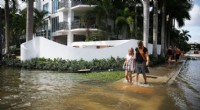
Coastal areas, particularly in southwest Florida and the Caribbean islands, experienced significant storm surge flooding as Irma’s powerful winds pushed seawater ashore. This phenomenon caused extensive damage to property and infrastructure, with some areas, such as Charleston, South Carolina, experiencing storm surges of up to 10 feet.
The Dominican Republic and Haiti also faced severe flooding, with thousands of homes damaged and agricultural sectors severely affected.
The extreme wind speeds of Hurricane Irma wreaked havoc on the areas it struck, with maximum sustained winds reaching an astonishing 184 mph. Alongside these sustained winds, the wind gusts, including the peak wind gust, also contributed to the damage, tearing roofs from buildings, uprooting trees, and causing widespread power outages.
In the Turks and Caicos Islands, more than 75% of roofs were destroyed, resulting in damages exceeding $230 million.
The human toll of Hurricane Irma was immense, with a reported death toll of over 130 people. This includes both direct and indirect fatalities attributed to the storm, such as accidents during evacuations or medical emergencies exacerbated by the disaster.
In addition to the tragic loss of life, many survivors faced mental health challenges in the aftermath of the storm, with a significant number exhibiting symptoms of post-traumatic stress disorder (PTSD) and depression.
As the threat of Hurricane Irma loomed, authorities issued evacuation orders and warnings for millions of residents in its projected path. Emergency response efforts were coordinated by local, national, and international organizations, providing assistance to those affected during and after the storm.
Emergency responders worked tirelessly to ensure the safety of those in the storm’s path, providing food.
Prior to Hurricane Irma’s landfall, mandatory evacuations were issued for residents of Monroe County and other areas in Florida, resulting in the largest evacuation in the state’s history. Neighboring states, such as Georgia, also issued evacuation notices for over 540,000 residents.
These evacuations were crucial in minimizing the loss of life and ensuring the safety of those in the storm’s direct path.
During and after the storm, emergency response efforts included search and rescue operations, providing medical care to those affected, and supplying food, water, and shelter to those in need. Organizations such as the Federal Emergency Management Agency (FEMA) and the American Red Cross played pivotal roles in assisting those impacted by the storm, ensuring their safety and wellbeing.
In the wake of Hurricane Irma’s destruction, the focus turned to the recovery process and rebuilding efforts. This included repairing damaged infrastructure and property, providing financial aid and support, and learning valuable lessons in preparedness for future hurricanes.
The rebuilding process is a long and arduous one, and it requires the help of both the government and the community.
Rebuilding efforts following Hurricane Irma involved the restoration of homes, businesses, and infrastructure in the hardest-hit areas. This included repairing water, sewer, power, and transportation infrastructure, as well as addressing disruptions to energy, communications, and water supply systems.
The process of designing and approving affordable housing that can withstand hurricanes and other disasters also presented a considerable challenge.
Various sources of financial aid were available to those affected by Hurricane Irma, including:
These funds were used to provide crucial support, such as housing assistance and home repairs, to those most in need.
The devastating impact of Hurricane Irma highlighted the need for better preparedness and response measures in the face of future hurricanes. Key lessons learned from the storm include:
Individuals looking to support recovery efforts and provide assistance to those impacted by Hurricane Irma have several ways to make a difference. This includes donating to relief organizations, participating in fundraising events, and volunteering in local community efforts.
Donations can be made to organizations such as the Red Cross, the Salvation Army, and other organizations.
Donating to reputable relief organizations is a valuable way to provide assistance to those affected by Hurricane Irma. Some organizations you can consider donating to include:
Donations can include essential supplies, such as water, food, clothing, and medical supplies.
Additionally, participating in fundraising events, such as online campaigns, charity walks, or benefit concerts, can help raise much-needed funds for recovery efforts.
Volunteering and community involvement are also powerful ways to contribute to the recovery process and provide support to those affected by Hurricane Irma. Numerous volunteer opportunities are available through organizations such as:
By donating their time and resources, individuals can make a tangible difference in the lives of those still recovering from the devastating effects of the storm.
Hurricane Irma’s historic impact serves as a stark reminder of the destructive power of nature and the importance of preparedness and resilience. By understanding the formation, path, and devastating effects of the storm, as well as the evacuation efforts, emergency response, and ongoing recovery process, we can learn valuable lessons to better prepare for and respond to future hurricanes. Together, we can continue to support those affected by Hurricane Irma, helping them rebuild their lives and communities.
This article was created using AI technology.