1. Breaking and Forming Bonds:
* Chemical energy is stored within the bonds of molecules. When these bonds are broken, energy is released. This energy can be used to form new bonds, or it can be released as heat.
* For example, burning wood involves breaking the chemical bonds in the wood molecules, releasing energy in the form of heat and light.
2. Exothermic Reactions:
* The conversion of chemical energy to thermal energy often involves an exothermic reaction.
* Exothermic reactions release heat into the surroundings, causing the temperature to increase.
3. Increased Molecular Motion:
* The released heat energy increases the kinetic energy of the molecules in the system.
* This means the molecules start moving faster and colliding more frequently, resulting in an increase in temperature.
Examples:
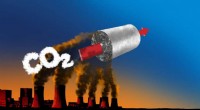
* Combustion: Burning fuels like wood, propane, or natural gas releases chemical energy as heat and light.
* Explosions: Explosions are rapid exothermic reactions that release a large amount of energy in a short period, generating a significant temperature increase.
* Cellular Respiration: Our bodies break down food through chemical reactions to release energy, which is then used to fuel our activities and maintain our body temperature.
In summary:
The conversion of chemical energy into thermal energy is a fundamental process that drives many phenomena in our world. It involves the breaking and forming of chemical bonds, often through exothermic reactions, which release energy as heat and increase molecular motion.