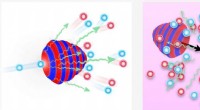
* Exergonic reactions are chemical reactions that *release* energy, not *require* it. They are spontaneous and can occur on their own.
* Cells are the basic units of life and require energy to perform various functions. These functions are often carried out by endergonic reactions - reactions that *require* energy input.
Therefore, it's not accurate to say "exergonic cells". Instead, we should focus on why cells (which carry out both exergonic and endergonic reactions) need a continuous supply of energy.
Here's why:
1. Maintaining cellular processes: Cells need energy for:
* Active transport: Moving molecules against their concentration gradient (e.g., pumping ions across the cell membrane).
* Biosynthesis: Building complex molecules like proteins, carbohydrates, and lipids.
* Cell division and growth: Creating new cells and increasing cell size.
* Movement: In the case of muscle cells, contracting and relaxing for locomotion.
* Signaling and communication: Sending and receiving signals, both internally and externally.
2. Entropy and Order: Cells maintain a high level of order and complexity compared to their surroundings. This requires constant energy input to combat the natural tendency of systems to become disordered (entropy).
3. Energy Carriers: Cells primarily use ATP (adenosine triphosphate) as their energy currency. ATP is generated through exergonic reactions like cellular respiration, where the energy released from breaking down glucose is used to create ATP. This ATP is then used to power endergonic reactions.
In summary: While exergonic reactions release energy, cells themselves need a continuous energy supply from sources like glucose to power the essential endergonic reactions that keep them alive and functioning.