* Potential Energy: Potential energy is stored energy that an object possesses due to its position or state.
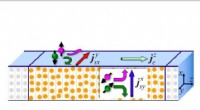
* Concentration Gradient: A concentration gradient exists when there is a difference in the concentration of a substance across a space. This difference creates an uneven distribution of the substance.
How a Concentration Gradient Represents Potential Energy:
1. Tendency to Move: The higher concentration area "wants" to move towards the lower concentration area. This movement is driven by the desire to reach equilibrium, where the concentration is equal throughout.
2. Stored Energy: This "want" to move represents stored energy. The greater the difference in concentration, the greater the stored energy.
3. Release of Energy: When the substance moves from high to low concentration, this stored potential energy is released. This energy can be used to do work, such as driving cellular processes or powering movement.
Examples:
* Diffusion: Molecules naturally move from areas of high concentration to low concentration, releasing the stored potential energy of the gradient.
* Cellular Respiration: Glucose molecules move down their concentration gradient into cells, releasing energy that powers cellular processes.
In summary: A concentration gradient is a form of potential energy because it represents a state of uneven distribution that has the potential to release energy as the system moves towards equilibrium.