Environmental Benefits:
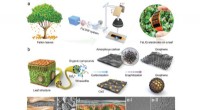
* Reduced Carbon Emissions: Biofuels are considered carbon-neutral because they absorb CO2 during their growth, which offsets the CO2 released during combustion. While this is debated, it's a major selling point.
* Renewable Resource: Biofuels are derived from plants, which can be regrown, making them a renewable resource. This contrasts with fossil fuels, which are finite.
* Reduced Air Pollution: Biofuels can contribute to cleaner air quality compared to fossil fuels, especially with advanced biofuel technologies.
Economic and Societal Benefits:
* Energy Independence: Biofuels can reduce reliance on foreign oil, increasing energy independence for nations.
* Job Creation: The biofuel industry creates jobs in agriculture, production, and related sectors.
* Rural Economic Development: Biofuel production can revitalize rural economies by providing new income streams for farmers.
* Support for Local Agriculture: Biofuel production can boost demand for agricultural products, supporting local farmers.
However, it's important to acknowledge the limitations and challenges associated with biofuels:
* Land Use: Large-scale biofuel production can lead to land-use conflicts and deforestation, impacting biodiversity and ecosystems.
* Food Security: Using land for biofuel production can compete with food production, potentially driving up food prices.
* Water Consumption: Some biofuel crops require significant water resources, raising concerns about water scarcity in certain regions.
* Technological Advancements: Advancements in technology are needed to increase efficiency and reduce the environmental impact of biofuel production.
Ultimately, the future of biofuels depends on balancing their benefits and challenges, ensuring sustainable and responsible production practices to maximize their potential as a cleaner energy source.
It's important to note that the popularity and effectiveness of biofuels can vary depending on the specific type of biofuel, the production methods, and the regional context.