* Producers (Autotrophs): Plants, algae, and some bacteria are the base of the food chain. They use sunlight to convert carbon dioxide and water into sugars through photosynthesis. This process stores energy from the sun in chemical bonds within the sugars.
* Consumers (Heterotrophs): Animals and fungi cannot make their own food. They obtain energy by eating other organisms.
* Primary consumers eat producers (herbivores)
* Secondary consumers eat primary consumers (carnivores)
* Tertiary consumers eat secondary consumers (top predators)
* Decomposers break down dead organisms and waste, releasing nutrients back into the environment.
Energy flow through trophic levels:
* When an organism eats another organism, it only receives about 10% of the energy stored in that organism. The rest is lost as heat, movement, and other metabolic processes.
* This 10% rule means that there is less energy available at each higher trophic level. This is why food chains usually only have 4-5 levels.
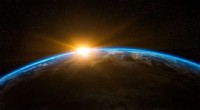
In summary, the sun is the ultimate source of energy for all living things. Plants capture this energy through photosynthesis, and it flows through the food chain to animals and other consumers.