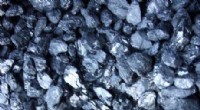
Common stores of energy:
* Batteries: Chemical energy stored and released as electrical energy.
* Fuel: Chemical energy stored in substances like gasoline, wood, and coal.
* Food: Chemical energy stored in food, which our bodies use to function.
* Hydroelectric dams: Potential energy stored in water at a higher elevation, converted to kinetic energy when the water flows.
* Compressed air: Potential energy stored by compressing air, released as kinetic energy when the air expands.
Less common stores of energy:
* Hydrogen: Chemical energy stored in the bonds of hydrogen molecules, which can be used to fuel vehicles.
* Flywheels: Kinetic energy stored in a rotating wheel, which can be used to provide bursts of power.
* Capacitors: Electrical energy stored in an electric field, released as electrical energy.
* Thermal energy storage: Heat energy stored in materials, which can be used to heat or cool buildings.
Important points:
* Different types of energy: Stores can hold different types of energy, such as chemical, potential, kinetic, or electrical.
* Efficiency: Not all energy stores are equally efficient. Some have more losses during storage and release.
* Sustainability: Some energy stores are more sustainable than others, depending on the source of the energy.
In short, any system that can capture and hold energy in a form that can be used later is a store of energy.