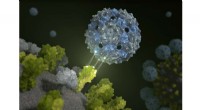
1. Phototrophy: Some Archaea use light energy for growth, similar to plants. However, they don't use chlorophyll like plants do. They use different pigments called bacteriorhodopsin which can absorb light and create a proton gradient to generate ATP (energy). This process is called photophosphorylation.
2. Chemolithotrophy: Many Archaea obtain energy by oxidizing inorganic compounds like hydrogen sulfide, ammonia, and ferrous iron. This process is called chemosynthesis and releases energy that is used to fuel their metabolism.
3. Chemoorganotrophy: These Archaea obtain energy by breaking down organic molecules like sugars, amino acids, or other organic compounds. This is similar to how humans and other animals obtain energy.
Examples:
* Methanogens: These Archaea produce methane (CH4) as a byproduct of their metabolism. They are important in the breakdown of organic matter in anaerobic environments like swamps and the digestive systems of animals. They use hydrogen gas and carbon dioxide as energy sources and produce methane.
* Halophiles: These Archaea thrive in extremely salty environments. Some use light to generate ATP, while others obtain energy from organic compounds or by oxidizing sulfide.
* Thermophiles: These Archaea live in extremely hot environments, such as hot springs and deep-sea vents. They are often chemolitotrophic, using energy from inorganic compounds like sulfur and iron.
Key Differences from Bacteria:
* Archaea have different cell wall structures and membrane compositions than bacteria.
* They have unique genes and metabolic pathways.
* Many Archaea can tolerate extreme environments (high temperatures, salt concentration, pH) that bacteria cannot.
Overall, Archaea have evolved a variety of ways to obtain energy, showcasing their remarkable adaptability to diverse environments. They play crucial roles in nutrient cycling and ecosystem functioning, making them essential components of the biosphere.