1. Chemical Energy:
* Carbohydrates: Glucose (sugar) is a primary energy source and is stored as glycogen in animals and starch in plants.
* Lipids (Fats): These are more efficient energy storage molecules than carbohydrates. Animals store fat in adipose tissue, and plants store oils in seeds.
* Proteins: While primarily used for structural purposes, proteins can be broken down and used for energy in times of need.
2. Potential Energy:
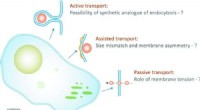
* Concentration Gradients: Cells store energy in the form of concentration gradients across membranes. This is used for processes like active transport and ATP synthesis.
* Electrochemical Gradients: Similar to concentration gradients, this involves storing energy in the form of both electrical and chemical differences across a membrane. A prime example is the proton gradient used in mitochondria for ATP production.
3. Mechanical Energy:
* Muscle Tissue: Contracted muscles store energy in the form of mechanical potential energy. This energy is released during relaxation.
4. Light Energy:
* Photosynthesis: Plants capture light energy from the sun and convert it into chemical energy in the form of glucose.
In summary:
* Short-term energy storage: Primarily carbohydrates (glucose, glycogen, starch)
* Long-term energy storage: Primarily fats (lipids)
* Other forms of energy storage: Concentration gradients, electrochemical gradients, mechanical energy (in muscles), and light energy in photosynthetic organisms.
It's important to note that energy storage in living systems is a complex interplay of these different forms. For example, energy from sunlight is converted into chemical energy in carbohydrates during photosynthesis, which can then be used for growth or stored as fats for later use.