1. Electrical Energy from the Source:
* Source: This could be a power plant (generating electricity from fuels like coal, natural gas, or nuclear power) or a renewable source like solar panels or wind turbines.
* Form: The source produces electrical energy in the form of moving electrons.
* Transfer: The electrical energy travels through wires (often long distances) to your house.
2. Electrical Energy to Light Bulb:
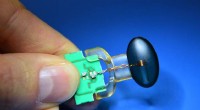
* Transfer: When you flip the switch, you complete a circuit, allowing the electrical energy to flow to the light bulb.
3. Electrical Energy to Light and Heat:
* Transfer: The light bulb's filament (in an incandescent bulb) or the LED (in an LED bulb) resists the flow of electricity, causing it to heat up. This heat energy is then converted into light energy.
4. Light Energy to Your Eyes:
* Transfer: The light energy from the bulb travels in straight lines and reaches your eyes, allowing you to see.
Overall Summary:
The process involves a chain of energy transfers, starting with electrical energy produced by a source, then traveling through wires, and finally being converted into light and heat energy in the bulb. This light energy then travels to your eyes, enabling you to see.