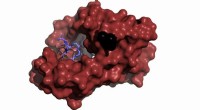
Here's a breakdown:
* ATP (Adenosine Triphosphate) is a molecule composed of an adenine base, a ribose sugar, and three phosphate groups.
* The phosphate groups are negatively charged and repel each other, creating a high-energy bond.
* When one of these phosphate groups is broken off (hydrolysis), the bond releases energy. This energy is used by the cell to perform various functions like muscle contraction, protein synthesis, and active transport.
* The remaining molecule is called ADP (Adenosine Diphosphate), which has two phosphate groups.
* ATP can be re-formed by adding a phosphate group back to ADP, a process that requires energy. This energy comes from sources like glucose breakdown.
Think of ATP like a rechargeable battery. When you use the energy stored in the battery, you lose a bit of charge (like losing a phosphate group). You can then recharge the battery (like adding a phosphate group back) to use the energy again.
In summary:
* The energy in ATP is stored in the chemical bonds between its phosphate groups.
* The energy is released when these bonds are broken through hydrolysis.
* ATP can be recharged by adding a phosphate group back to ADP.
This system of energy storage and release is crucial for all living organisms, allowing them to carry out essential life processes.