Silicon (Si) is the 14th element on the periodic table and the second most abundant constituent of the Earth's crust—accounting for roughly 28% of its mass. While it rarely appears in a pure state in nature, the element can be isolated from quartz sand, which is predominantly silicon dioxide (SiO₂).
Beyond its geological prevalence, silicon is indispensable to contemporary industry. Its oxide, silica, forms the backbone of construction materials such as bricks, glass, and concrete. More importantly, silicon’s unique electronic properties make it an ideal semiconductor. A slight change in temperature or doping alters its ability to conduct or insulate electricity, a principle that underpins the entire semiconductor industry.
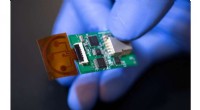
Modern electronics owe their existence to silicon microchips. The entire ecosystem of computers, smartphones, and embedded systems relies on silicon wafers that host billions of transistors. This foundational role is why the region around Santa Clara, California—home to giants like Apple, Alphabet, Adobe, and Meta—is famously dubbed “Silicon Valley.”
Silicone is a class of synthetic polymers composed of silicon, oxygen, carbon, and hydrogen. Unlike natural polymers such as cellulose or proteins, silicone’s backbone features alternating silicon–oxygen bonds, giving it exceptional stability and flexibility.
Silicone manifests in solid, liquid, and rubbery forms. Its most celebrated application is silicone rubber, prized for its resistance to heat, chemicals, and electrical stress. This makes it the material of choice for kitchen utensils, automotive hoses, appliance door seals, and medical implants.
Beyond rubber, silicone is integral to adhesives and lubricants. Silicone adhesives bond securely to wood, metal, glass, and ceramics while remaining waterproof. In the automotive sector, silicone lubricants—famously marketed by brands like WD‑40—provide long‑lasting protection against wear and corrosion.
From household products to critical medical devices, silicone’s durability, temperature tolerance, and biocompatibility have made it an unsung hero of modern industry.