Visual Observation:
* Stethoscope: Used to listen to heart and lung sounds.
* Otoscope: Used to examine the ears.
* Ophthalmoscope: Used to examine the eyes.
* Microscope: Used to examine microscopic structures within the body.
* Endoscope: A flexible tube with a camera used to visualize internal organs and cavities.
* Colonoscope: A type of endoscope used to examine the colon.
* Laparoscope: A type of endoscope used to examine the abdomen.
* Bronchoscope: A type of endoscope used to examine the airways.
* Cystoscope: A type of endoscope used to examine the bladder and urethra.
* Dermatoscope: Used to examine the skin for moles and other lesions.
* Magnifying glass: Used to examine small details on the skin and other body surfaces.
Imaging:
* X-ray: Uses electromagnetic radiation to create images of bones, lungs, and other structures.
* Computed Tomography (CT) scan: Uses X-rays and computer processing to create detailed 3D images of the body.
* Magnetic Resonance Imaging (MRI): Uses magnetic fields and radio waves to create detailed images of soft tissues, such as muscles, tendons, ligaments, and organs.
* Ultrasound: Uses sound waves to create images of internal organs and structures.
* Positron Emission Tomography (PET) scan: Uses radioactive tracers to create images of metabolic activity in the body.
* Single-photon emission computed tomography (SPECT): Similar to PET scan but uses different radioactive tracers and provides different information.
Other Devices:
* Electrocardiogram (ECG or EKG): Measures electrical activity in the heart.
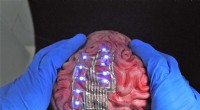
* Electroencephalogram (EEG): Measures electrical activity in the brain.
* Electromyogram (EMG): Measures electrical activity in muscles.
* Pulse oximeter: Measures oxygen saturation in the blood.
* Thermometer: Measures body temperature.
* Sphygmomanometer: Measures blood pressure.
* Spirometer: Measures lung capacity and function.
* Blood glucose meter: Measures blood sugar levels.
* Biopsy needle: Used to collect tissue samples for examination under a microscope.
This is not an exhaustive list, and there are many other specialized devices used to observe the body. The specific devices used will depend on the type of observation needed and the condition being examined.