Common Materials:
* Rubber: Used in electrical cords, gloves, and other protective gear.
* Plastic: Found in many electrical components, such as plugs, switches, and casings.
* Glass: Used in light bulbs, insulators on power lines, and other applications.
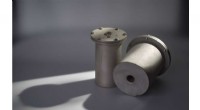
* Ceramic: Used in high-voltage insulators, spark plugs, and other applications.
* Wood: Used in older electrical installations, but less common now due to its flammability.
* Paper: Used in capacitors, transformers, and other applications.
* Air: Acts as an insulator at normal atmospheric pressure.
Specific Examples:
* PVC (Polyvinyl chloride): A common plastic used in electrical wiring and insulation.
* Teflon (Polytetrafluoroethylene): A very high-performance insulator with excellent chemical resistance.
* Epoxy: A resin often used to encapsulate electrical components and create protective coatings.
* Fiberglass: A composite material used in electrical insulation, often combined with other materials.
* Porcelain: A type of ceramic used for high-voltage insulators, especially outdoors.
* Mica: A naturally occurring mineral with excellent insulating properties, often used in high-temperature applications.
It's important to remember that:
* The insulating properties of materials can vary depending on the specific material and its composition.
* The effectiveness of an insulator can be affected by factors such as temperature, humidity, and the presence of impurities.
* Insulators are not perfect and can break down under high voltage or extreme conditions.
Beyond these examples, there are many other materials used as electrical insulators, including specialized materials like:
* Polyimides: High-temperature resistant insulators used in aerospace and other demanding applications.
* Silicone rubber: Flexible and moisture-resistant insulators used in automotive and other applications.
* Nylon: A versatile plastic insulator used in various applications.
* Polycarbonate: A strong and transparent insulator used in various electronics and appliances.
The choice of insulator depends on the specific application and its requirements.