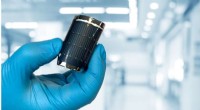
* Transparent LCD panels: These panels use specialized liquid crystals that can be manipulated to display images while maintaining transparency.
* OLED displays: Organic light-emitting diodes (OLEDs) are inherently transparent, making them suitable for see-through displays.
* Transparent LED screens: These screens use LEDs embedded in transparent panels to create images.
How does a transparent screen work?
The basic principle behind transparent screens is to minimize light scattering and reflection within the screen's components. This allows light to pass through the screen unimpeded, creating the illusion of transparency.
Applications of Transparent Screens:
Transparent screens have a wide range of potential applications, including:
* Interactive displays: They can be used to create interactive displays in retail stores, museums, and other public spaces.
* Augmented reality (AR): Transparent screens can be used to overlay digital information onto the real world, enhancing user experience in various fields.
* Virtual reality (VR): Transparent screens can be used to create immersive VR experiences that allow users to see their surroundings while interacting with the virtual world.
* Smart windows: Transparent screens can be integrated into windows to control the amount of light entering a room.
* Automotive displays: Transparent screens can be used to display information in car windshields, head-up displays, and other automotive applications.
Challenges:
Despite its potential, transparent screen technology faces some challenges:
* Brightness: Maintaining sufficient brightness for a good viewing experience while remaining transparent can be difficult.
* Transparency: Achieving high transparency while maintaining good image quality is challenging.
* Cost: Transparent screen technology is still relatively expensive compared to traditional displays.
* Durability: Transparent screens are more fragile than conventional displays.
Conclusion:
Transparent screens represent a promising technology with diverse applications. As the technology continues to develop, we can expect to see even more innovative applications in the future.