Microwave Generators:
* Magnetron: A vacuum tube that uses a magnetic field to create a rotating electron cloud, which generates microwaves. Common in microwave ovens.
* Klystron: A vacuum tube that uses a series of cavities to amplify a microwave signal. Used in high-power applications like radar systems.
* Traveling-wave tube (TWT): A vacuum tube that uses a slow-wave structure to interact with an electron beam, amplifying the microwave signal. Used in satellite communications and radar.
* Solid-state microwave generators: These use semiconductor devices like Gunn diodes, IMPATT diodes, and transistors to generate microwaves. They are more compact and efficient than vacuum tubes.
Microwave Amplifiers:
* Microwave transistors: Similar to transistors used in other frequencies, but designed for microwave operation.
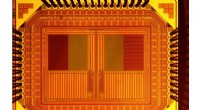
* Microwave integrated circuits (MICs): These are compact circuits that integrate various components like transistors, capacitors, and inductors to amplify microwave signals.
* Traveling-wave tube amplifiers (TWTAs): Similar to TWTs, but designed specifically for amplification. Used in high-power applications like satellite communications.
The specific type of device used depends on the desired frequency, power output, efficiency, and other factors.