1. The Basics of Capacitance:
* Capacitance: Capacitance is the ability of a material to store an electrical charge.
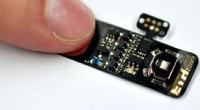
* Capacitive Sensor: Touch alarms use capacitive sensors that measure the change in capacitance when a conductive object (like a human hand) comes into contact with or gets close to the sensor.
2. How Touch Alarms Work:
* Electrodes: Touch alarms have a set of electrodes (metal plates or strips) mounted on a surface. These electrodes form a capacitor.
* Baseline Capacitance: When there's no touch or interference, the system measures a baseline capacitance between the electrodes.
* Touch Detection: When a conductive object (like a hand) gets close to or touches the surface, it disrupts the electric field between the electrodes, changing the capacitance.
* Signal Processing: The alarm's circuitry monitors this change in capacitance. If the change exceeds a pre-defined threshold, it triggers the alarm.
3. Different Types of Touch Alarms:
* Surface Mounted: These are often used on windows, doors, or other surfaces. The sensor is mounted directly on the surface.
* Embedded: These are integrated into a material, like a door handle or a tabletop.
4. Advantages of Touch Alarms:
* Sensitivity: Can detect even light touches.
* No Moving Parts: They are reliable and less prone to malfunction.
* Discreet: Can be hidden or incorporated into the design of the protected area.
5. Disadvantages of Touch Alarms:
* False Alarms: Environmental factors like humidity, temperature, or dust can sometimes trigger false alarms.
* Limited Range: Effective only within a short distance of the sensor.
* Potential for Circumvention: Experienced thieves can sometimes bypass touch alarms.
Security Considerations:
* Touch alarms are often used in conjunction with other security systems, such as motion detectors or door sensors, for greater protection.
* It's essential to properly install and calibrate touch alarms for optimal performance.
In Summary: Touch alarms are a useful security measure, but they are not foolproof. For comprehensive security, they should be part of a layered approach that includes multiple technologies and security practices.