1. Physical Models: These devices are physical representations of the system being modeled. They can be:
* Scale models: These are smaller versions of the real system, often used in engineering and architecture. Examples include model airplanes, model cars, and architectural models.
* Analog models: These use physical quantities (like voltage, pressure, or flow rate) to represent the variables of the system. Examples include hydraulic models of river systems and analog computers.
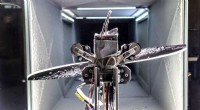
* Simulation models: These use physical components to mimic the behavior of the system. Examples include wind tunnels for testing aerodynamic designs and flight simulators for training pilots.
2. Abstract Models: These devices are mathematical or computational representations of the system. They can be:
* Mathematical models: These use equations and formulas to describe the behavior of the system. Examples include models of population growth, chemical reactions, and economic systems.
* Computer simulations: These use software to create virtual representations of the system. Examples include climate models, financial models, and video game simulations.
* Artificial intelligence models: These use algorithms and machine learning techniques to learn and predict the behavior of the system. Examples include self-driving car systems, medical diagnosis systems, and fraud detection systems.
Here are some examples of devices that represent specific types of physical or abstract systems:
* Weather forecast models: These are complex computer simulations that use data from weather stations and satellites to predict weather patterns.
* Traffic flow models: These can be mathematical models or computer simulations that analyze traffic patterns and optimize traffic flow.
* Economic models: These use equations to describe relationships between different economic variables, such as supply and demand, inflation, and interest rates.
* Robotics: Robots can be used to represent the behavior of physical systems, such as human movements or industrial processes.
The choice of device for representing a system depends on the specific application and the desired level of detail and accuracy.
In summary, devices that represent the behavior of physical or abstract systems can be physical models, abstract models, or a combination of both. They offer powerful tools for understanding, predicting, and controlling the behavior of complex systems in various fields.