1. Friction:
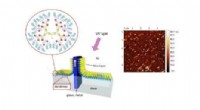
* Sliding Friction: When surfaces rub against each other, they generate heat, wasting energy. This is present in bearings, gears, and moving parts.
* Rolling Friction: While less significant than sliding friction, it still occurs in wheels, rollers, and other rolling components.
* Fluid Friction: Resistance experienced by objects moving through fluids (air or liquids) can significantly decrease efficiency, especially at high speeds.
2. Energy Losses:
* Heat Generation: Friction converts mechanical energy into heat, which is lost to the surroundings.
* Sound: Noise is another form of wasted energy, usually caused by vibrations and impacts.
* Leakage: In systems involving fluids (like hydraulics or air compression), leaks can reduce efficiency by losing pressure.
* Mechanical Inefficiencies: Imperfections in design or manufacturing can cause misalignment, bending, and other issues that reduce efficiency.
3. Design and Material Considerations:
* Poor Lubrication: Insufficient or improper lubrication increases friction.
* Material Choice: Materials with high friction coefficients, poor wear resistance, or low strength can reduce efficiency.
* Oversized or Undersized Components: Inappropriate sizing can cause unnecessary strain and friction.
* Complexity: The more moving parts a device has, the higher the potential for friction and energy loss.
4. Operational Conditions:
* Temperature: Extreme temperatures can affect material properties and lubrication, leading to increased friction.
* Load: Operating at high loads can stress components, increasing friction and wear.
* Speed: Friction can increase significantly at high speeds.
* Corrosion: Corrosion can damage components and increase friction.
5. Other Factors:
* Wear and Tear: As a device ages, its components wear down, increasing friction and reducing efficiency.
* Improper Maintenance: Lack of proper maintenance, such as cleaning and lubrication, can lead to wear and tear.
Improving Efficiency:
* Reduce Friction: Use low-friction materials, improve lubrication, and optimize component designs.
* Minimize Energy Losses: Use efficient bearings, design for smooth operation, and minimize leaks.
* Optimize Design: Use lightweight materials, streamline shapes to reduce air resistance, and minimize unnecessary components.
* Regular Maintenance: Perform regular maintenance, including lubrication, cleaning, and repairs.
By understanding these factors and implementing appropriate solutions, engineers can design and operate mechanical devices with optimal efficiency, reducing energy consumption and minimizing environmental impact.