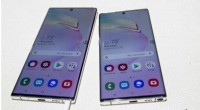
A cellphone, also known as a mobile phone, is a complex device that combines various technologies to enable communication and access to information. Here's a simplified explanation of its working:
1. Communication:
* Radio Waves: Cellphones communicate wirelessly using radio waves. These waves carry information between your phone and a nearby cell tower.
* Cellular Network: Cell towers are part of a larger network, connected by fiber optic cables and other infrastructure. This network allows you to communicate with anyone with a cellphone in the coverage area.
* SIM Card: This tiny card stores your phone number, contact information, and other data associated with your cellular plan. It acts like your phone's identification card in the network.
2. Data Transmission:
* Data Conversion: When you use your phone for calls, texts, internet browsing, or apps, your information is converted into digital signals.
* Modulation: These digital signals are modulated onto radio waves to be transmitted.
* Demodulation: When the signal reaches the other end, it is demodulated back to its original digital form.
3. The Phone's Core:
* Processor: The brain of the phone, responsible for handling all operations, including communication, data processing, and running apps.
* Operating System (OS): Software that manages the phone's hardware and allows you to interact with it. Common OSs are Android and iOS.
* Memory: Stores data like your apps, photos, videos, and other files.
* Battery: Powers the phone and keeps it operational.
4. User Interface:
* Touchscreen: Allows you to interact with the phone by tapping, swiping, and pressing buttons.
* Sensors: Various sensors capture information like your movement, light levels, and proximity.
* Camera: Captures photos and videos, also used for facial recognition and video calling.
* Microphone and Speakers: Allow you to make phone calls, record audio, and listen to music.
Main Parts of a Cellphone:
* Antenna: Transmits and receives radio waves.
* Display: Shows the phone's interface and content.
* Keyboard/Touchscreen: Allows you to input information.
* Buttons: Provide quick access to specific functions.
* Charging Port: Connects the phone to a charger for power.
* Headphone Jack: Allows you to connect external audio devices.
* SIM Card Slot: Holds the SIM card.
* Memory Card Slot: (Optional) Allows for additional storage.
Overall, a cellphone is a complex yet user-friendly device that enables communication, information access, and entertainment through the intricate interplay of various technologies.