Everyday Devices:
* Street Lights: LDRs detect the decrease in ambient light at dusk, triggering the street lights to turn on.
* Automatic Door Openers: LDRs detect the presence of people or objects, triggering the door to open.
* Calculators and Watches with Auto-Dimming Displays: LDRs adjust the display brightness based on ambient light.
* Cameras with Automatic Exposure: LDRs measure the light intensity and adjust the camera's shutter speed and aperture.
* Some Alarm Systems: LDRs can detect changes in light levels, triggering an alarm if a window or door is opened in darkness.
Other Applications:
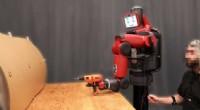
* Robotics and Automation: LDRs can be used as light sensors in robotics applications, allowing robots to navigate based on light sources.
* Scientific Instruments: LDRs are used in scientific instruments like spectrophotometers and photometers to measure light intensity.
* Security Systems: LDRs can be used in security systems to detect intruders by detecting changes in light levels.
* Industrial Control: LDRs can be used in industrial control systems to monitor light levels and trigger actions based on those levels.
* Environmental Monitoring: LDRs can be used to monitor light levels in various environments, such as greenhouses or aquaculture systems.
Hobbyist Projects:
* Light-Activated Circuits: LDRs are commonly used in hobbyist projects, such as creating simple light-activated switches or alarm systems.
* DIY Light Meters: LDRs can be used to build your own light meters to measure light levels.
The versatility of LDRs makes them suitable for a wide range of applications, from everyday devices to complex industrial systems.