Motors:
* DC Motors: These motors use direct current to generate a magnetic field that interacts with the magnetic field of a rotor, causing it to spin.
* Brushed DC Motors: The most basic type, using brushes to provide electrical contact to the rotor.
* Brushless DC Motors: More efficient and durable, using electronic commutation instead of brushes.
* AC Motors: These motors use alternating current to create a rotating magnetic field that induces rotation in the rotor.
* Induction Motors: The most common type of motor, using an electromagnetic field to induce current in the rotor.
* Synchronous Motors: The rotor rotates at the same speed as the rotating magnetic field.
* Stepper Motors: These motors rotate in discrete steps, making them useful for precision control in applications like robotics and 3D printing.
* Linear Motors: These motors generate linear motion instead of rotation, commonly used in high-speed trains and industrial machinery.
Generators:
* DC Generators: These generators use a rotating magnetic field to induce a direct current in a conductor.
* AC Generators (Alternators): These generators produce an alternating current by rotating a coil within a magnetic field.
* Wind Turbines: Large-scale generators that use wind to rotate blades and generate electricity.
* Hydroelectric Generators: Use the flow of water to spin turbines and generate electricity.
* Solar Generators: Convert light energy from the sun into electricity using photovoltaic cells.
Other Electromagnetic Machines:
* Transformers: Devices that transfer electrical energy between circuits using electromagnetic induction.
* Relays: Electrical switches that use electromagnetic fields to open or close circuits.
* Solenoids: Electromagnets that produce linear motion when energized.
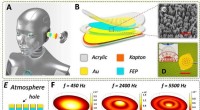
* Loudspeakers: Use electromagnetic fields to convert electrical signals into sound waves.
This is not an exhaustive list, but it provides a good overview of common electromagnetic machines found in various industries and everyday life.