1. Efficiency and Automation:
* Reduced Human Intervention: M2M systems can automate tasks, freeing up human resources for higher-level activities. Sensors collect data, analyze it, and trigger actions without manual input.
* Streamlined Operations: Processes become smoother and faster. For example, remote equipment monitoring eliminates the need for on-site inspections, saving time and resources.
2. Enhanced Data Collection and Analysis:
* Real-time Insights: M2M systems provide real-time data, allowing for immediate adjustments and proactive decision-making.
* Data-Driven Decisions: Vast amounts of data can be gathered and analyzed, leading to more informed decisions and optimized performance.
3. Increased Safety and Security:
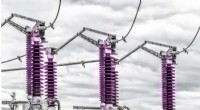
* Remote Monitoring: M2M enables remote monitoring of critical infrastructure, like pipelines, power grids, and transportation systems, improving safety and reducing downtime.
* Early Warning Systems: Sensors can detect potential hazards and trigger alerts, allowing for prompt response and reducing risks.
4. Cost Savings:
* Reduced Operational Costs: Automation leads to fewer manual tasks, lowering labor costs.
* Improved Resource Utilization: M2M systems optimize resource allocation, reducing waste and increasing efficiency.
5. Expanded Possibilities and Innovation:
* New Applications: M2M opens the door to countless new applications, like smart homes, connected vehicles, and intelligent cities.
* Improved User Experience: M2M can personalize services and create seamless user experiences in areas like healthcare, entertainment, and transportation.
Examples of M2M in Action:
* Smart Grids: Sensors monitor energy consumption and adjust power generation to optimize grid performance.
* Fleet Management: GPS trackers provide real-time vehicle location, fuel efficiency data, and driver behavior insights.
* Industrial Automation: Sensors monitor equipment health and trigger maintenance alerts before failures occur.
* Precision Agriculture: Sensors gather data on soil conditions, weather, and crop health, optimizing fertilizer and irrigation.
It's important to note that M2M also comes with certain challenges:
* Security Risks: Data security and privacy concerns must be addressed.
* Interoperability Issues: Standardization and compatibility across different devices and platforms can be challenging.
* Cost of Implementation: Setting up and maintaining M2M infrastructure can be costly.
Overall, M2M communication offers significant advantages across diverse industries, driving efficiency, innovation, and improved decision-making. However, addressing the challenges is crucial for its successful implementation and adoption.