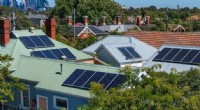
1. Generation:
* Power plants: These are the starting point where electricity is generated. They use various methods like burning fossil fuels (coal, gas), nuclear fission, or renewable sources (solar, wind, hydro) to produce electricity.
* Generators: These are large machines that convert mechanical energy into electrical energy. They are driven by different sources like turbines (powered by steam or water) or windmills.
2. Transmission:
* Transformers: These devices increase the voltage of electricity for long-distance transmission, minimizing energy loss.
* High-voltage transmission lines: These are high-capacity cables that carry electricity over long distances (sometimes hundreds of miles) from power plants to substations. They are often suspended on tall towers.
3. Distribution:
* Substations: These facilities lower the voltage of electricity from high-voltage transmission lines to a level suitable for distribution to homes and businesses.
* Distribution lines: These are lower-voltage lines that branch out from substations and run through neighborhoods and cities.
* Transformers (again): Smaller transformers are located near individual homes and businesses to further reduce the voltage for safe and efficient use.
* Meters: These devices track the amount of electricity used by each customer.
4. End-User Equipment:
* Appliances and devices: These include everything from lights, computers, and refrigerators to industrial machinery. They are designed to operate at the standard voltage delivered to homes and businesses.
Additional components:
* Circuit breakers: These safety devices interrupt the flow of electricity in case of a short circuit or overload.
* Fuses: Similar to circuit breakers, these protect wires from damage by interrupting the flow of electricity in case of a fault.
* Switches: These allow you to control the flow of electricity to individual appliances and devices.
The Importance of the Grid:
All these components work together in a complex network called the electric grid. This network ensures that electricity is generated, transmitted, distributed, and delivered reliably to millions of customers.
Note: The specifics of the equipment and infrastructure can vary depending on the scale of the power system (local, regional, national) and the technology used.