For viewing objects in Earth's orbit:
* Telescopes: These are the most common tools for observing objects in space. Ground-based telescopes can see relatively bright objects, while space telescopes (like Hubble) can see fainter, distant objects.
* Binoculars: While not as powerful as telescopes, binoculars can still be used to view bright objects like the International Space Station or satellites.
For viewing distant objects beyond Earth's orbit:
* Space Telescopes: These are telescopes launched into space that avoid the interference of Earth's atmosphere. Some examples include Hubble Space Telescope, James Webb Space Telescope, and the Chandra X-ray Observatory.
* Radio Telescopes: These telescopes detect radio waves emitted from space, revealing objects invisible to optical telescopes.
For specific tasks:
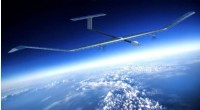
* Satellites: Various specialized satellites are used to observe specific aspects of space, like weather patterns (weather satellites), Earth's surface (land-observing satellites), or astronomical events (space observatories).
* Spacecraft: These are complex machines sent to explore other planets, moons, or celestial bodies. They often carry cameras and other instruments to study these objects up close.
So, the answer to your question depends on the specific object you want to view and the level of detail you require.