Technology can be classified in various ways, depending on the criteria used. Here are a few common classifications:
1. By Function or Application:
* Communication Technology: Telephones, internet, email, social media platforms.
* Transportation Technology: Cars, trains, airplanes, drones.
* Medical Technology: X-rays, MRI machines, robotic surgery equipment, vaccines.
* Educational Technology: Online learning platforms, interactive whiteboards, educational apps.
* Agricultural Technology: Tractors, irrigation systems, genetically modified crops, precision farming.
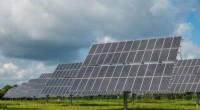
* Energy Technology: Solar panels, wind turbines, nuclear power plants, fuel cells.
* Entertainment Technology: Movies, video games, streaming services, VR/AR headsets.
2. By Level of Complexity:
* Low-Tech: Simple tools and technologies with minimal complexity. Examples: hammer, bicycle, basic hand tools.
* Mid-Tech: Technologies that require some level of technical knowledge and expertise. Examples: computers, smartphones, robots, digital cameras.
* High-Tech: Complex technologies requiring advanced knowledge and skills. Examples: artificial intelligence, nanotechnology, gene editing, quantum computing.
3. By Development Stage:
* Emerging Technology: Technologies under development or in early adoption phases. Examples: self-driving cars, brain-computer interfaces, space tourism.
* Mature Technology: Technologies that have reached a significant level of adoption and stability. Examples: personal computers, internet, smartphones, electric power grids.
* Obsolete Technology: Technologies that have been replaced by newer, more advanced alternatives. Examples: typewriters, landline phones, floppy disks, cassette tapes.
4. By Impact on Society:
* Disruptive Technology: Technologies that significantly alter existing industries and societal norms. Examples: internet, smartphones, social media, cryptocurrency.
* Transformative Technology: Technologies with the potential to revolutionize aspects of human life. Examples: artificial intelligence, biotechnology, nanotechnology, space exploration.
* Sustainable Technology: Technologies designed to minimize environmental impact and promote sustainability. Examples: renewable energy sources, green buildings, electric vehicles.
5. By Area of Expertise:
* Engineering Technology: Technologies related to the design, development, and application of engineering principles. Examples: mechanical engineering, electrical engineering, software engineering, civil engineering.
* Information Technology (IT): Technologies related to information processing, storage, and retrieval. Examples: computers, software, databases, networks.
* Biotechnology: Technologies that use living organisms or their products for specific applications. Examples: genetically modified crops, biofuels, pharmaceuticals, medical devices.
Important Note:
These classifications are not mutually exclusive. A specific technology can fit into multiple categories depending on the context. For instance, a smartphone can be classified as communication technology, mid-tech, mature technology, disruptive technology, and IT.