Conductors
* What they are: Materials that allow electricity to flow easily through them.
* Examples:
* Metals: Copper (most common in wiring), silver, gold, aluminum
* Water: Especially if it contains impurities like salts
* Graphite (carbon): Used in pencils and some electronics
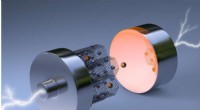
* How they work: Conductors have loosely bound electrons that can easily move when a voltage is applied. These moving electrons create an electric current.
Insulators
* What they are: Materials that resist the flow of electricity.
* Examples:
* Rubber: Common in electrical cords and protective coverings
* Plastic: Used for many electrical components and housings
* Glass: Used in light bulbs and other electrical devices
* Air: Normally a good insulator, but can become conductive under high voltage
* Wood: A good insulator, but can become conductive when wet
* How they work: Insulators have tightly bound electrons that are difficult to move. This prevents the creation of an electrical current.
In a Simple Circuit
* Conductors: The wires connecting the power source (like a battery), the load (like a light bulb), and the switch are made of conductors.
* Insulators:
* The protective coating on wires is often made of rubber or plastic to prevent accidental shocks.
* The casing of the battery, the switch housing, and the light bulb's base are all typically made of insulating materials.
Key Points
* Safety: Insulators are crucial for safety in electrical circuits. They help prevent dangerous electric shocks.
* Function: Conductors are essential for carrying the electric current to power devices.
Let me know if you have any other questions!