Data Collection and Analysis:
* Instrumentation: Scientists use sophisticated instruments to gather data from various sources, including:
* Microscopes: For examining tiny objects like cells and molecules.
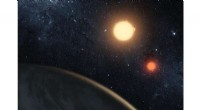
* Telescopes: For observing celestial objects and events.
* Spectrometers: For analyzing the composition and properties of materials.
* Sensors: For measuring environmental variables like temperature, humidity, and pressure.
* Data Acquisition: Using computers and software to automatically record and store large volumes of data from instruments.
* Data Processing and Analysis: Employing statistical software and algorithms to analyze data, identify patterns, and draw conclusions.
* Modeling and Simulation: Creating computer models to simulate natural phenomena and test hypotheses.
Communication and Collaboration:
* Electronic Communication: Using email, video conferencing, and instant messaging to collaborate with colleagues around the world.
* Data Sharing: Utilizing online platforms and databases to share research findings and data with the scientific community.
* Publishing and Dissemination: Using online journals and platforms to publish research articles and present findings at conferences.
Research and Experimentation:
* Laboratory Automation: Employing robotic systems and automated equipment to perform repetitive tasks and increase efficiency in laboratory experiments.
* Genetic Engineering: Using gene editing tools and other technologies to manipulate DNA sequences and study gene function.
* Bioinformatics: Applying computational techniques to analyze and interpret biological data, such as DNA sequences and protein structures.
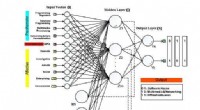
* Artificial Intelligence (AI): Using AI algorithms for tasks like drug discovery, materials science, and image analysis.
Specific Examples:
* Astrophysicists use powerful telescopes to observe distant galaxies and analyze their light to understand the universe's evolution.
* Biologists use DNA sequencing technologies to identify and study genes and their roles in disease.
* Climate Scientists use computer models to simulate climate change and its impacts on the environment.
* Chemists use spectroscopy and chromatography to analyze chemical compounds and their properties.
These are just a few examples, and the list goes on. Technology is constantly evolving, opening up new possibilities for scientific exploration and discovery.