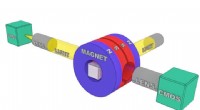
Components:
* Electromagnet: This is the key element in the operation of a circuit breaker. When current flows through the circuit, it creates a magnetic field in the electromagnet.
* Trip mechanism: This mechanism is connected to the electromagnet and releases the breaker's contacts when the magnetic field reaches a certain strength.
* Contacts: These are the electrical contacts that open and close the circuit.
* Arc quenching chamber: This chamber is used to extinguish the electrical arc that forms when the contacts open.
Operation:
1. Normal Operation: In normal operation, the contacts are closed, allowing current to flow through the circuit. The electromagnet is energized, but the magnetic field is not strong enough to trip the mechanism.
2. Overload: When the current exceeds the rated capacity of the circuit breaker, the electromagnet is energized more strongly. This increases the magnetic field, which eventually reaches a point where it overcomes the force holding the trip mechanism in place.
3. Tripping: The trip mechanism releases, causing the contacts to open and interrupt the flow of current.
4. Arc Quenching: When the contacts open, an electrical arc forms between them. The arc quenching chamber helps extinguish this arc by using various methods like blowing air or using insulating materials.
5. Resetting: Once the fault is cleared, the circuit breaker can be reset by manually closing the contacts again.
Types of Circuit Breakers:
* Thermal circuit breakers: These breakers use a bimetallic strip that bends when heated by excess current.
* Magnetic circuit breakers: These breakers use an electromagnet to trip the mechanism when the current exceeds a certain threshold.
* Electronic circuit breakers: These breakers use electronic sensors to detect overloads and short circuits.
Benefits of Circuit Breakers:
* Safety: They protect electrical circuits and equipment from damage caused by overloads and short circuits.
* Fire Prevention: By interrupting the current flow, circuit breakers prevent overheating and potential fires.
* Reliability: They are designed to operate reliably and consistently.
* Easy Reset: Once the fault is cleared, they can be easily reset to restore power.
In summary, a circuit breaker is a safety device that uses electromagnetism or heat to automatically interrupt the flow of current in a circuit when an overload or short circuit occurs, protecting the circuit and equipment from damage.