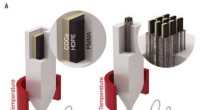
Here's how it works:
* The Fuse Wire: A fuse contains a thin piece of wire made from a low-melting point metal (like lead, tin, or an alloy). This wire is designed to melt at a specific current level.
* Overcurrent Protection: When the current flowing through a circuit exceeds the fuse's rating, the wire heats up. If the current is high enough, the wire melts, creating a break in the circuit.
* Preventing Damage: This break stops the flow of electricity and prevents further damage to the circuit and surrounding equipment.
Why Fuses are Important:
* Fire Prevention: Overloaded circuits can overheat and cause fires. Fuses prevent this by interrupting the circuit before excessive heat builds up.
* Equipment Protection: Fuses protect expensive appliances and electronics from damage caused by electrical surges or faults.
* Safety: Fuses are a vital safety feature that help prevent electrical shocks and injuries.
Types of Fuses:
There are various types of fuses, including:
* Cartridge Fuses: These have a cylindrical body with a wire inside.
* Plug Fuses: These have a screw-in design and are commonly found in older homes.
* Slow-Blow Fuses: These are designed to handle brief surges of current without blowing.
* Fast-Blow Fuses: These blow quickly in response to overcurrents.
Let me know if you'd like to know more about a specific type of fuse or have other questions about electrical safety!