Sensors:
* Pressure sensors: Used in touchscreens, medical devices, and even smart clothing to detect pressure changes.
* Temperature sensors: Found in thermostats, ovens, and medical equipment to monitor temperature.
* Light sensors: Used in cameras, automatic lighting systems, and solar panels to detect light intensity.
* Gas sensors: Used in fire alarms, environmental monitoring, and medical devices to detect specific gases.
Actuators:
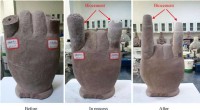
* Shape memory alloys (SMAs): Can remember their original shape and return to it when heated. Used in robotics, medical devices, and aerospace applications.
* Piezoelectric materials: Generate electricity when subjected to mechanical stress, and vice versa. Used in sensors, actuators, and energy harvesting.
* Electroactive polymers (EAPs): Can change shape or stiffness in response to electric fields. Used in robotics, artificial muscles, and biomedical applications.
Other objects:
* Self-healing materials: Can repair themselves after damage. Used in aircraft, bridges, and other structures.
* Thermochromic materials: Change color with temperature. Used in mood rings, coffee mugs, and temperature-sensitive displays.
* Photochromic materials: Change color with light exposure. Used in sunglasses, eyeglass lenses, and some paints.
* Smart windows: Can adjust their transparency to regulate heat and light. Used in buildings to improve energy efficiency.
* Smart textiles: Can change properties like temperature, color, or shape in response to stimuli. Used in sportswear, medical garments, and military applications.
* Smart bandages: Can release medication as needed and sense healing progress.
Examples of specific products:
* Nike Adapt BB shoes: Use SMAs to adjust the tightness of the shoe laces.
* Bose Noise Cancelling Headphones: Use piezoelectric materials to sense and cancel out external noise.
* Haptic feedback devices: Use piezoelectric materials to create realistic tactile sensations in virtual reality systems.
* Self-healing concrete: Can repair cracks automatically, extending the lifespan of structures.
This is just a small sampling of the many objects that are made from smart materials. The field is constantly evolving, and new applications are being discovered all the time.