Industrial Applications:
* Distance and Level Measurement: Measuring distances, heights, and liquid levels in tanks, silos, and other containers.
* Object Detection and Obstacle Avoidance: Used in robots, AGVs, and automated vehicles to detect obstacles and navigate environments.
* Non-Destructive Testing (NDT): Detecting flaws and defects in materials like welds, castings, and composites without damaging them.
* Thickness Gauging: Measuring the thickness of materials like metal sheets, pipes, and coatings.
* Flow Measurement: Determining the speed and volume of fluids flowing through pipes.
* Process Control: Monitoring and controlling processes like filling, emptying, and material handling.
Automotive:
* Parking Assist Systems: Helping drivers detect objects behind or beside their vehicles when parking.
* Blind Spot Detection Systems: Warning drivers about vehicles in their blind spots.
* Adaptive Cruise Control (ACC): Maintaining a safe distance from the vehicle in front.
* Autonomous Driving: Crucial for object detection and navigation in self-driving vehicles.
Healthcare:
* Ultrasound Imaging: Creating detailed images of internal organs and structures using high-frequency sound waves.
* Medical Diagnostics: Diagnosing medical conditions like heart problems, pregnancy, and tumors.
* Therapeutic Applications: Focused ultrasound for treating conditions like cancer and kidney stones.
Consumer Electronics:
* Smartphones: Measuring distances for features like face unlock and augmented reality.
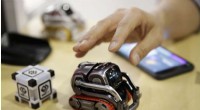
* Robotics: Guiding robots to navigate and interact with their environment.
* Home Automation: Detecting motion for security systems, lighting control, and automated doors.
Other Applications:
* Environmental Monitoring: Monitoring air quality, water levels, and soil conditions.
* Security Systems: Detecting intrusions and monitoring access points.
* Agriculture: Precision farming and crop monitoring.
* Aerospace: Testing and inspecting aircraft parts and systems.
Advantages of Ultrasonic Sensors:
* Non-contact: No need to physically touch the object being measured.
* Wide Range of Applications: Can measure distances, levels, thickness, and more.
* High Accuracy: Capable of precise measurements.
* Relatively Inexpensive: Compared to other sensing technologies.
* Durable: Can withstand harsh environments and temperatures.
The versatility of ultrasonic sensors makes them a valuable tool in a wide range of industries and applications. Their ability to detect objects and measure distances accurately, coupled with their non-contact nature and affordability, makes them a powerful technology for various purposes.