Here's how it works:
* Electricity creates a magnetic field: When electricity flows through a coil of wire, it generates a magnetic field around the coil.
* Interaction of magnetic fields: This magnetic field interacts with the magnetic field of permanent magnets. The opposing forces between these fields cause the coil to rotate.
* Continuous rotation: The rotation of the coil is continuous because the direction of the current in the coil is constantly changing, thanks to a component called a commutator. This ensures the magnetic fields always push and pull the coil in the same direction.
Types of Electric Motors:
There are many types of electric motors, including:
* DC motors: Use direct current to power the coil.
* AC motors: Use alternating current to power the coil.
* Stepper motors: Precisely move in steps, often used in robotics and automation.
* Brushless motors: Use magnets and electronic controls, are more efficient and durable.
Uses of Electric Motors:
Electric motors are ubiquitous and power countless devices, including:
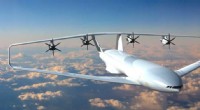
* Cars, trains, and planes: Provide the power to move vehicles.
* Household appliances: From washing machines and dryers to refrigerators and fans.
* Industrial machinery: Used in factories for tasks like assembly and manufacturing.
* Computers and electronics: Power hard drives, fans, and other components.
* Robotics and automation: Enable robots to move and perform tasks.
Let me know if you'd like to learn more about a specific type of electric motor or its applications!