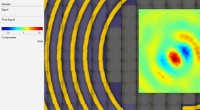
1. Radio Frequency (RF) Signals: Mobile phone masts use radio frequency (RF) signals to communicate with your mobile phone. These signals are a form of electromagnetic radiation, similar to light waves but with a much longer wavelength.
2. Transmitting and Receiving:
* Transmitting: When you make a phone call or use mobile data, your phone sends a signal to the nearest cell tower. The tower amplifies this signal and transmits it to another tower closer to the intended recipient, and so on, until it reaches your contact.
* Receiving: When you receive a call or data, the tower receives the signal and transmits it to your phone.
3. Antennae: The cell tower has multiple antennae that broadcast and receive these RF signals. These antennae are carefully designed to direct the signals in specific directions, minimizing the amount of radiation emitted in other directions.
4. Frequency Bands: Cell towers operate on specific frequency bands. Different frequency bands have different wavelengths and power levels. The frequencies used for mobile communication are generally considered to be low-frequency and non-ionizing, meaning they don't have enough energy to break chemical bonds in living cells.
5. Power Levels: The power output of cell towers is regulated to ensure they don't emit excessive radiation. The amount of radiation emitted depends on factors like distance from the tower, the number of users, and the signal strength.
Important Note: While cell tower radiation is a form of electromagnetic radiation, it's essential to understand that it's non-ionizing radiation, unlike X-rays or gamma rays. Non-ionizing radiation has lower energy levels and is not considered harmful to human health in typical exposure levels.
Concerns and Research: Despite being non-ionizing, there are ongoing concerns about the potential health effects of long-term exposure to electromagnetic radiation from cell towers. However, the majority of scientific studies have found no conclusive evidence that these emissions are harmful. Nevertheless, research continues to explore the potential effects of electromagnetic radiation on human health.
In summary: Mobile phone masts emit radio waves, a form of non-ionizing electromagnetic radiation, to communicate with mobile phones. The power levels and frequencies used are regulated to minimize potential health risks. However, ongoing research continues to investigate the potential long-term effects of exposure to these emissions.