1. Free Electrons:
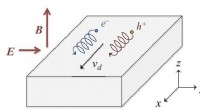
* Metals: Metals have a unique structure where their outermost electrons are loosely bound to the atoms. These electrons are essentially free to move throughout the metal lattice. When an electric field is applied, these free electrons flow, creating an electrical current.
* Salts: Salts, on the other hand, are composed of ions (charged particles). These ions are held in a rigid lattice structure by strong electrostatic forces. While they can conduct electricity when dissolved in water (forming electrolytes), they do not conduct electricity in their solid state due to the fixed nature of their ions.
2. Conductivity:
* Metals: Metals are excellent conductors of electricity due to the abundance of free electrons. Their conductivity is generally much higher than that of salts.
* Salts: While salts can conduct electricity in solution, their conductivity is significantly lower than that of metals.
3. Practical Considerations:
* Durability: Many metals are strong, ductile (able to be drawn into wires), and resistant to corrosion, making them ideal for long-lasting wiring applications.
* Cost: Metals, especially copper and aluminum, are relatively inexpensive to produce and are widely available.
In summary:
While both metals and salts have lattice structures, the presence of free electrons in metals makes them far superior conductors of electricity compared to salts. This, combined with their durability and cost-effectiveness, makes metals the preferred choice for electrical wiring.