1. Physical Layout of a System: This refers to the arrangement and connection of physical components in a system. For example:
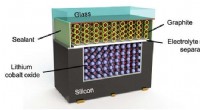
* Computer: The physical arrangement of the motherboard, CPU, RAM, hard drive, etc., within a computer case.
* Network: The physical layout of cables, routers, switches, and other network devices.
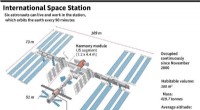
* Data Center: The physical arrangement of servers, storage, and other equipment in a data center.
2. Physical Characteristics of an Object: This describes the size, shape, weight, and other physical properties of an object. For example:
* Furniture: The dimensions, materials, and assembly of a chair or table.
* Machine Parts: The size, shape, and material properties of gears, shafts, or bearings.
* Human Body: The anatomical structure and physical dimensions of a human.
3. Physical Appearance or Form: This describes the outward appearance of something, including color, texture, and overall aesthetic. For example:
* Building: The exterior design and materials of a building.
* Website: The visual layout, color scheme, and typography of a website.
* Product Packaging: The design and materials used for a product's packaging.
4. Physical State of Matter: This describes the phase of matter, such as solid, liquid, or gas. For example:
* Water: Can exist as solid ice, liquid water, or gaseous steam.
* Metals: Can exist in different physical states depending on temperature.
To understand the meaning of "physical configuration" in a specific context, you need to consider the surrounding information and the topic being discussed.
Please provide more context if you would like a more specific explanation.