Major Nonrenewable Resources:
* Paper: This is the most significant component. Paper is made from wood pulp, which comes from trees. Trees are a renewable resource, but the process of harvesting, transporting, and manufacturing paper involves significant energy consumption.
* Fossil Fuels:
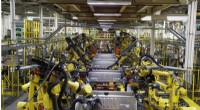
* Energy for Production: Mining, transporting, and manufacturing paper requires large amounts of energy, often derived from fossil fuels like coal, oil, or natural gas.
* Ink and Plastics: Ink and plastic components (like binding or covers) often involve the use of petroleum-based products.
* Transportation: The transportation of raw materials and finished notebooks relies heavily on fossil fuels.
Other Nonrenewable Resources:
* Metals: Staples, metal rings, and some inks may contain metals like iron, copper, or zinc, which are mined and processed.
* Chemicals: The paper production process utilizes various chemicals, some of which are nonrenewable.
Important Notes:
* Sustainability: The environmental impact of notebook production is significant. Choosing notebooks made from recycled paper and opting for those with minimal plastic and metal components can help reduce the reliance on nonrenewable resources.
* Renewable Alternatives: There are increasingly sustainable options, such as notebooks made from bamboo paper, recycled materials, or even plant-based plastics.
Let me know if you'd like to delve deeper into any of these aspects!