Artificial Intelligence and Machine Learning:
* Generative AI: Tools like ChatGPT and Dall-E 2 that can create text, images, and other media based on user prompts.
* AI-powered personalized healthcare: Algorithms analyzing medical data for early disease detection, personalized treatment plans, and remote patient monitoring.
* Autonomous vehicles: Self-driving cars and trucks, drones for delivery and inspection, and robots for various industrial tasks.
Biotechnology and Medicine:
* CRISPR gene editing: A revolutionary technology allowing for precise editing of DNA sequences, opening doors for treating genetic diseases and developing new therapies.
* 3D-printed organs and tissues: Creating functional organs and tissues for transplantation using bioprinting technology.
* Personalized medicine: Tailoring treatments based on a patient's unique genetic makeup and lifestyle.
Sustainable Technologies:
* Renewable energy innovations: Advanced solar panels, wind turbines, and energy storage systems.
* Carbon capture and storage: Technologies to capture and store carbon dioxide emissions from industrial processes.
* Circular economy technologies: Recycling and upcycling materials to minimize waste and promote sustainable manufacturing.
Other Emerging Technologies:
* Quantum computing: Harnessing the power of quantum mechanics to solve complex problems that are beyond the capabilities of traditional computers.
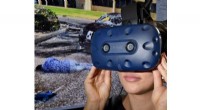
* Metaverse technologies: Immersive virtual reality and augmented reality experiences, creating new ways to work, learn, and socialize.
* Space exploration advancements: Reusable rockets, private space companies, and plans for lunar and Martian missions.
To stay updated on the latest inventions, you can:
* Follow scientific journals and news outlets covering technology and innovation.
* Visit websites like TechCrunch, Wired, and MIT Technology Review.
* Attend conferences and workshops focusing on emerging technologies.
Remember, innovation is a continuous process, so the "newest inventions" are constantly evolving!