Manual Computing Devices:
* Require human intervention for each step of the calculation. This means a person needs to physically operate the device, input data, and interpret the results.
* Limited in speed and complexity. They rely on human dexterity and cognitive abilities, making them slow and prone to errors for complex computations.
* Examples: Abacus, slide rule, mechanical calculators.
Automatic Computing Devices:
* Perform calculations and process information automatically. They use electronic circuits and software to execute instructions and produce results without direct human intervention.
* Much faster and capable of handling complex calculations. They can process large amounts of data at high speeds, minimizing errors and enabling complex tasks.
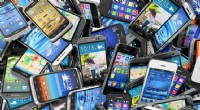
* Examples: Computers, smartphones, calculators (modern electronic ones).
Here's a table summarizing the key differences:
| Feature | Manual Computing Device | Automatic Computing Device |
|---------------------|------------------------|----------------------------|
| Calculation | Requires human intervention | Automated, no human input needed |
| Speed | Slow | Very fast |
| Complexity | Limited | High |
| Error rate | Prone to errors | Low error rate |
| Examples | Abacus, slide rule, mechanical calculators | Computers, smartphones, electronic calculators |
In essence, manual computing devices rely on human effort and are limited in their capabilities, while automatic devices leverage technology to automate processes and handle much more complex operations.