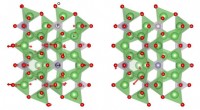
* Molecular Structure:
* Type of Material: Different materials have different atomic structures and electron arrangements. This affects how easily electrons can move through the material. For example, copper has free electrons that move easily, making it a good conductor, while rubber has tightly bound electrons, making it an insulator.
* Impurities: Even within a material like copper, impurities can disrupt the flow of electrons, increasing resistance.
* Size:
* Cross-Sectional Area: A thicker wire has a larger cross-sectional area, allowing more electrons to flow simultaneously. This reduces resistance.
* Length: A longer wire provides more opportunity for electrons to collide with atoms, which hinders their flow and increases resistance.
The Relationship:
Resistance (R) is directly proportional to the length (L) of the wire and inversely proportional to the cross-sectional area (A) of the wire:
R = ρ * (L/A)
* ρ (rho) is the resistivity of the material, a constant that reflects its inherent ability to resist the flow of electricity.
So, to summarize:
* Molecular structure (material type and impurities) determines the wire's inherent ability to conduct electricity.
* Size (length and cross-sectional area) influences the resistance in a predictable way.
This relationship is crucial in understanding how electricity flows through wires and is a foundational concept in electronics and electrical engineering.