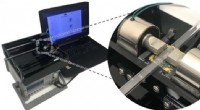
OCDs can be used for a variety of purposes, including:
* To wean patients off oxygen therapy. OCDs can help patients to gradually reduce their dependence on oxygen by providing them with a controlled amount of oxygen while they breathe spontaneously.
* To improve oxygenation. OCDs can help to improve oxygenation in patients with respiratory conditions that make it difficult to breathe, such as chronic obstructive pulmonary disease (COPD) and asthma.
* To reduce the risk of complications. OCDs can help to reduce the risk of complications associated with oxygen therapy, such as oxygen toxicity and hyperoxemia.
OCDs work by using a variety of mechanisms to conserve oxygen. Some OCDs use a reservoir to store oxygen, which is then released during inhalation. Others use a demand valve that only allows oxygen to flow when the patient inhales. Still others use a combination of these mechanisms.
OCDs can be used with a variety of oxygen delivery devices, including nasal cannulas, face masks, and oxygen hoods. The type of OCD that is used will depend on the patient's individual needs.
OCDs can be an effective way to reduce oxygen consumption and improve oxygenation in patients with respiratory conditions. They can also help to reduce the risk of complications associated with oxygen therapy.