Electric current can also be produced by other means, such as:
* Chemical reactions: Chemical reactions can produce electricity when they involve the transfer of electrons. For example, in a battery, the chemical reaction between the zinc anode and the carbon cathode causes electrons to flow from the anode to the cathode, creating an electric current.
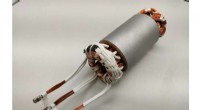
* Magnetic induction: Magnetic induction occurs when a conductor is exposed to a changing magnetic field. This can cause the electrons in the conductor to move, creating an electric current. For example, an electric generator works by spinning a coil of wire in a magnetic field, which induces an electric current in the wire.
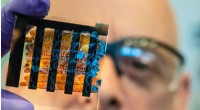
* Solar energy: Solar energy is produced by the sun's radiation. When sunlight strikes a solar cell, it knocks electrons loose from the atoms in the cell, creating an electric current.
* Wind energy: Wind energy is produced by the wind. When wind blows past a wind turbine, it causes the blades of the turbine to spin. This spinning motion is used to turn a generator, which produces electricity.
Electric current is essential for the operation of many devices, including lights, computers, and appliances. It is also used to power electric motors, which are used to convert electrical energy into mechanical energy.