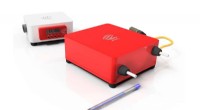
* Size and weight: The size and weight of a computer can vary significantly depending on the type of computer. Laptops are typically smaller and lighter than desktop computers, while servers and mainframes are typically larger and heavier.
* Shape and design: The shape and design of a computer can also vary significantly depending on the type of computer. Some computers are designed to be sleek and stylish, while others are designed to be rugged and durable.
* Materials: The materials used to make a computer can also vary significantly. Some computers are made from plastic, while others are made from metal. Some computers are even made from recycled materials.
* Power consumption: The power consumption of a computer can vary significantly depending on the type of computer and the components that are installed. Some computers are designed to be energy efficient, while others can consume a significant amount of power.
* Noise: The noise level of a computer can vary significantly depending on the type of computer and the components that are installed. Some computers are designed to be quiet, while others can produce a significant amount of noise.
* Heat generation: The heat generation of a computer can vary significantly depending on the type of computer and the components that are installed. Some computers are designed to generate minimal heat, while others can generate a significant amount of heat.
Chemical Properties
The chemical properties of a computer are the chemical properties of the materials that are used to make it. Some of the most common materials used in computers include:
* Plastic: Plastic is a versatile material that is often used in computers because it is lightweight and inexpensive. However, plastic can be flammable and can release harmful chemicals if it is not properly recycled.
* Metal: Metal is a strong and durable material that is often used in computers for structural support. However, metal can be heavy and can corrode over time.
* Glass: Glass is a transparent material that is often used in computers for screens and other optical components. However, glass can be fragile and can break easily.
* Ceramic: Ceramic is a non-metallic material that is often used in computers for electrical components. However, ceramic can be brittle and can break easily.
* Chemicals: Chemicals are used in computers for a variety of purposes, including cleaning, lubrication, and cooling. Some chemicals can be harmful if they are not properly handled.
It is important to be aware of the physical and chemical properties of computers in order to use them safely and effectively.