Nylon is a strong and lightweight material that is resistant to heat and chemicals. This makes it an ideal material for transparent electronics, which must be able to withstand the rigors of everyday use. Nylon is also a good electrical insulator, which means that it can be used to create electronic devices that are transparent and conductive.
Nylon can be easily processed into thin films using a variety of techniques, including spin coating and extrusion. This makes it possible to create transparent electronic devices that are flexible and can be easily integrated into a variety of applications.
Nylon has several advantages over other materials that are used for transparent electronics. For example, nylon is more flexible than glass and has a higher refractive index than plastic. This makes it an ideal material for creating high-resolution displays and other optical devices.
Nylon is also a relatively inexpensive material, which makes it a good choice for mass-produced transparent electronic devices.
Some of the challenges associated with using nylon for transparent electronics include:
* Nylon is not as transparent as some other materials, such as glass and plastic.
* Nylon can be susceptible to moisture absorption, which can affect its electrical properties.
* Nylon can be difficult to bond to other materials, which can make it challenging to create complex electronic devices.
Despite these challenges, nylon is a promising material for transparent electronics. Its unique combination of properties makes it an ideal choice for a variety of applications, from solar cells to touchscreens.
Here are some specific applications of nylon in transparent electronics:
* Solar cells: Nylon can be used to create transparent solar cells that can be integrated into windows and other building materials.
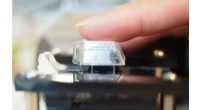
* Touchscreens: Nylon can be used to create transparent touchscreens that are flexible and can be used in a variety of applications, such as smartphones and tablets.
* Displays: Nylon can be used to create transparent displays that are high-resolution and can be used in a variety of applications, such as televisions and computer monitors.
* Light-emitting diodes (LEDs): Nylon can be used to create transparent LEDs that can be used in a variety of applications, such as lighting and signage.
Nylon is a versatile material that has a wide range of potential applications in transparent electronics. Its unique combination of properties makes it an ideal choice for creating high-performance, low-cost electronic devices that are transparent and conductive.