Artificial vision is a field of computer science that deals with the development of machines that can see. This includes both the development of hardware, such as cameras and sensors, and the development of software, such as image processing algorithms.
Artificial vision is used in a wide variety of applications, including:
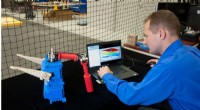
* Industrial automation: Artificial vision systems are used to inspect products for defects, guide robots, and track objects on conveyor belts.
* Medical imaging: Artificial vision systems are used to diagnose diseases, plan surgeries, and guide medical instruments.
* Security: Artificial vision systems are used to identify people and objects, and to monitor for suspicious activity.
* Transportation: Artificial vision systems are used to guide self-driving cars, detect obstacles, and avoid collisions.
The goal of artificial vision is to create machines that can see and understand the world around them as well as humans can. However, this is a very challenging task, as there are many different aspects of vision that need to be taken into account, such as:
* Light and color: Artificial vision systems need to be able to capture light and color information, and to distinguish between different objects based on their color and brightness.
* Shape and texture: Artificial vision systems need to be able to recognize the shapes and textures of objects, and to distinguish between different objects based on their shape and texture.
* Motion: Artificial vision systems need to be able to track the motion of objects, and to predict where objects will move next.
* Depth perception: Artificial vision systems need to be able to perceive the depth of objects, and to distinguish between objects that are close to the camera and objects that are far away.
These are just a few of the many challenges that need to be addressed in order to create artificial vision systems that can see and understand the world around them as well as humans can. However, research in this area is progressing rapidly, and it is likely that artificial vision systems will become increasingly commonplace in the years to come.
How Artificial Vision Systems Work
Artificial vision systems typically consist of the following components:
* Camera: The camera captures light and color information from the world around it.
* Image processing unit (IPU): The IPU processes the image data from the camera and extracts features such as edges, corners, and shapes.
* Computer: The computer runs software that uses the features extracted by the IPU to recognize objects and track motion.
The following diagram shows how these components work together to create an artificial vision system:
[Image of an artificial vision system]
The Future of Artificial Vision
As research in artificial vision continues to progress, we can expect to see these systems become increasingly commonplace in the years to come. Artificial vision systems will play a vital role in a wide variety of applications, including industrial automation, medical imaging, security, and transportation.
Some of the potential future applications of artificial vision include:
* Self-driving cars: Artificial vision systems will be essential for self-driving cars to navigate safely and efficiently.
* Medical diagnosis: Artificial vision systems will be able to help doctors diagnose diseases by identifying patterns in medical images that are invisible to the human eye.
* Security: Artificial vision systems will be able to help security personnel identify potential threats and track suspicious activity.
* Industrial automation: Artificial vision systems will be able to help automate tasks that are currently performed by human workers, such as inspecting products for defects and guiding robots.
Artificial vision is a rapidly developing field with the potential to revolutionize many aspects of our lives. As research continues, we can expect to see these systems become even more powerful and versatile, enabling us to see and understand the world around us in new and exciting ways.